Unlocking Better Healthcare with Modern Patient Portals

The COVID-19 pandemic accelerated the adoption of technology and digital services for patients at an unprecedented rate. Although digital advancements benefit the healthcare system, they also raise patients' expectations for more advanced and accessible care options. There's a growing push for doctors to enhance their patient care to meet today's standards of a modern patient experience.
A report from Experian Health highlights that patients are eager for better digital access to their healthcare. 76% of patients say the most crucial digital service their provider can offer is online or mobile appointment booking. Additionally, 72% want online payment options, and 56% are looking for digital tools to help manage their care.
In a competitive healthcare market, offering advanced patient portals can set a practice apart. Practices with long phone and office wait times are at risk of losing patients to competitors who offer more timely and accessible services. Patients will likely choose providers offering convenient, technology-driven solutions that enhance their healthcare experience.
Elevate patient care with the most advanced patient portal and mobile app!
Why You Need to Adopt Advanced Patient Portals
Offering innovative patient portals is not just an option but a necessity for modern healthcare practices. Here's why:
1. Enhanced Patient Engagement
Advanced patient portals empower patients by giving them secure access to their health information. This transparency makes patients feel more responsible and involved, resulting in better health outcomes.
2. Improved Communication
Effective communication between healthcare providers and patients is crucial for quality care. Advanced patient portals offer secure messaging features that let patients communicate directly with their doctors, ask questions, and receive timely responses.
3. Streamlined Operations
Scheduling appointments, checking in patients, and processing payments are time-consuming. Advanced patient portals automate these tasks, reducing the workload of administrative staff. This feature boosts efficiency, reduces mistakes, and ensures patients get timely, accurate service.
4. Better Health Outcomes
Patients can make better care decisions when they have access to up-to-date and accurate health information. Advanced patient portals offer tools and resources that help patients understand their health conditions, preventive measures, and treatment options. Such features foster early detection of potential health issues and better adherence to treatment plans.
5. Increased Convenience
Patients today expect convenience in all aspects of their lives, including healthcare. Advanced patient portals offer 24/7 access to health information and services, allowing patients to manage their health on their own schedule. Whether booking an appointment, checking lab results, or messaging the clinic, patients can do it all from the comfort of their homes or on the go without visiting the healthcare facility.
6. Cost Savings
Automating routine administrative tasks with advanced patient portals can save healthcare providers money. Minimal paperwork, fewer phone calls, and decreased need for in-person visits translate to lower operational costs. Moreover, improved patient engagement and adherence to treatment plans can reduce hospital readmissions and emergency room visits, further cutting healthcare expenses.
Key Features of a Modern Healthcare Portal
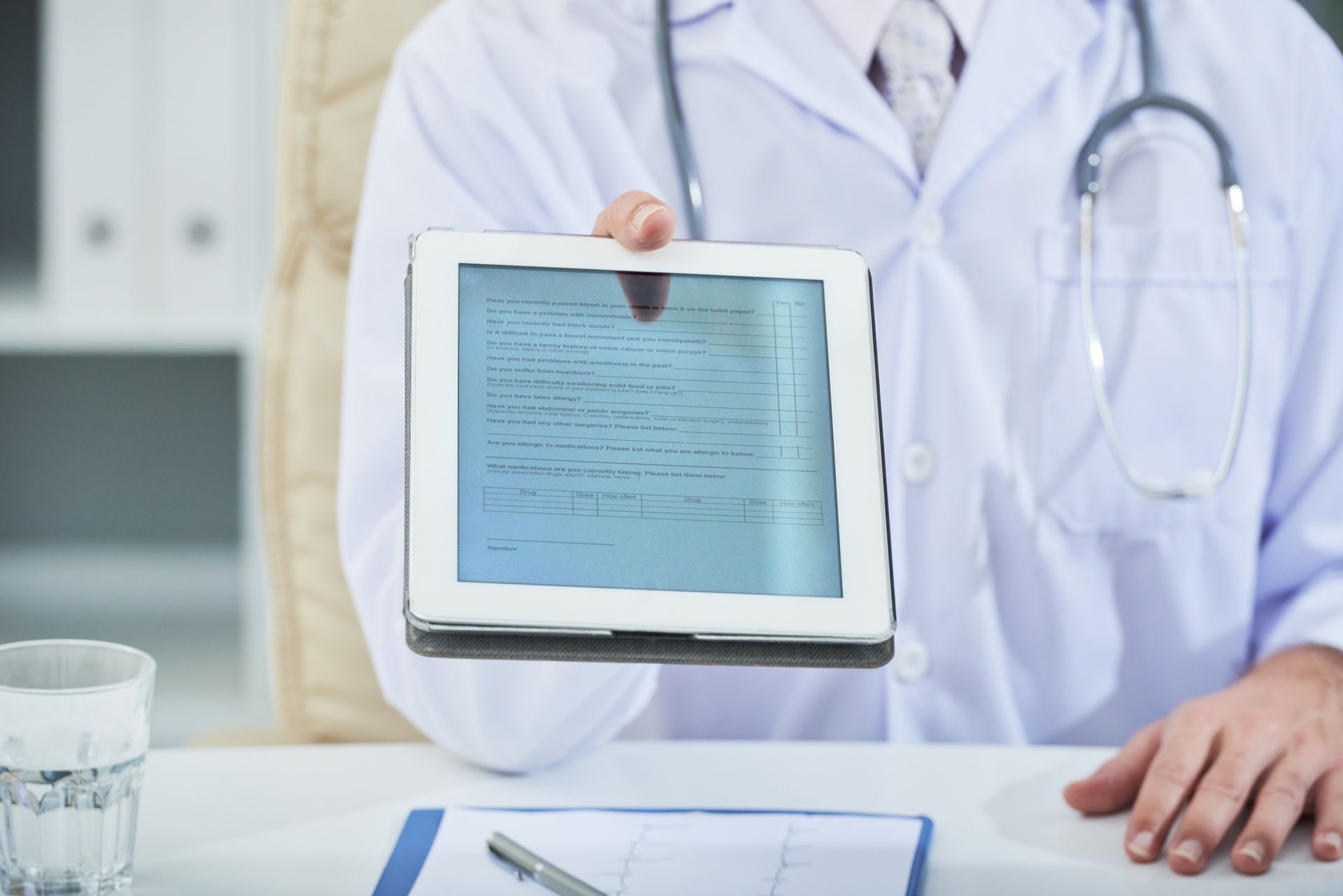
Today's most advanced healthcare portals are designed with the patient at the forefront, empowering them with tools that make managing health effortless and intuitive. They serve as a hub for all health-related activities, from appointment scheduling to accessing lab results.
Here are the features of an innovative patient portal:
1. User-Friendly Interface
An easy-to-use interface ensures that patients of all ages and different technological proficiency can easily use the portal. Features like clear menus, easy navigation, and an intuitive design help patients quickly find and use the tools they need. For advanced patient check-ins, providing responsive and user-friendly forms in the portal makes it easier and faster for patients to provide the necessary information.
2. Integration with EHR Systems
Seamless integration with Electronic Health Records (EHR) is crucial for real-time updates and information sharing. This ensures patients and providers can access current health information, facilitating better decision-making and coordinated care.
3. Mobile Accessibility
As more and more people rely on their smartphones, mobile accessibility is a must. A modern healthcare portal should be mobile-friendly, featuring a responsive design or dedicated apps. It should provide a good user interface and offer various options for managing healthcare on the go.
4. Customizable Notifications
Notifications and alerts are vital for keeping patients engaged and informed. Personalized reminders can inform patients about upcoming appointments, medication refills, important health updates, and preventive care services. These reminders help your patients stay on top of their health needs and reduce the likelihood of missed appointments or lapses in medication adherence.
5. Telehealth Capabilities
Telehealth capabilities allow patients to have virtual consultations with their healthcare providers. This feature is especially beneficial for patients with mobility issues, those living in remote areas, or those needing quick consultations without traveling. Essential components like video visits, remote monitoring, and secure messaging make it easy to manage health from home.
IMS Care takes this a step further with Televisit Screen Sharing. This patient portal feature provides a modernized interface and screen-sharing capabilities, making telemedicine sessions more engaging and effective for patients and providers.
6. Appointment Scheduling and Management
With automated appointment scheduling, patients can easily book, reschedule, or cancel their appointments whenever needed. This system shows real-time availability and sends confirmation notifications, cutting down on scheduling conflicts and no-shows. It's a more efficient way for patients and providers to manage appointments.
7. Prescription Management
Patients can easily request prescription refills, check their medication history, and receive medication reminders through online portals. This feature enhances medication adherence and ensures timely refills, ultimately improving health outcomes.
8. Health Education Resources
Providing patients with educational resources like articles, videos, and interactive tools helps them learn more about their health, treatments, and conditions. Access to reliable information improves their health literacy and treatment outcomes. By enrolling patients in the electronic patient portal, healthcare providers can quickly and efficiently send these educational materials in a convenient digital format.
9. Lab Results and Health Records Access
Through a secure health portal, patients can view their medical history, consultation and lab results, and other health records online. Immediate access to test results reduces anxiety and allows patients to monitor their health progress over time. Additionally, healthcare providers can add notes to explain the results, making it easier for patients to know and understand their health data.
10. Billing and Payments
Payments are a crucial part of the patient experience, and according to a report featured in Becker's Hospital Review, 79% of patients prefer to have medical bills in one place. Online billing and varied payment options streamline the financial aspect of healthcare. Patients can view their statements, pay bills, and set up payment plans through the portal, reducing administrative burden and enhancing convenience.
11. Patient Feedback and Surveys
Collecting patient feedback through surveys and questionnaires helps healthcare providers understand patient experiences and identify areas for improvement. This feedback loop is essential for maintaining high-quality care and patient satisfaction.
12. Security and HIPAA Compliance
Keeping patient data safe is crucial, and following HIPAA rules isn't optional—it's mandatory. Today’s healthcare portals need top-notch security features like encryption, secure login processes, and frequent updates to safeguard patient info and ensure it stays private.
Elevate Patient Care with Meditab’s IMS
Putting patients at the heart of healthcare is key to providing outstanding care. Patients want more convenience, better accessibility, and smart digital tools to manage their health. They expect seamless interactions with their healthcare providers that fit into their busy lives.
IMS Care’s all-in-one online platform, which includes an advanced healthcare patient portal and patient app, perfectly meets these needs. It allows patients to easily schedule appointments, request medication refills, and manage payments.
The convenience of IMS is not just limited to patients. It's even more beneficial for you and your staff. IMS Care directly links with the IMS system, streamlining administrative tasks, reducing paperwork, and allowing your staff to focus more on patient care. You can even view a patient’s health information through IMSGo and perform clinical tasks on your mobile device.
Ready to take your patient care to greater heights? Contact Meditab today and see the difference a patient-centric approach can make!
Share this post: